




ATTENZIONE. D’ORA IN POI PER ACCEDERE A QUESTO BLOG UTILIZZARE SOLO L’INDIRIZZO
HTTPS://KURVENAL.WORDPRESS.COM
Non sono mai stato tenero …
… (per usare un ueumeismo) con le regie spesso strampalate e stupidamente provocatorie di Damiano Michieletto, ma questa Médeée si contrappone a questa impostazione con un allestimento trasposto in tempi moderni, cogliendo e sottolineando appieno il significato dell’opera. Un testo del libretto non eccezionale, spesso ripetitivo che solo una musica di grande qualità è in grado di riscattare. Médée vuol dire inevitabilmente Callas , e lo spettacolo attuale non ha fatto rimpiangere quella edizione (che si trova su Youtube) seppure piagata dalla defaillance di Marina Rebecka cha ha dovuto soccombere, dopo il primo atto, a una condizione fisica imperfetta. Ma la sostituta ha saputo sostenere perfettamente la parte raccogliendo – giustamente – applausi a scena a aperta e un’ovazione finale non piagata dalle solite insopportabili clacques.
.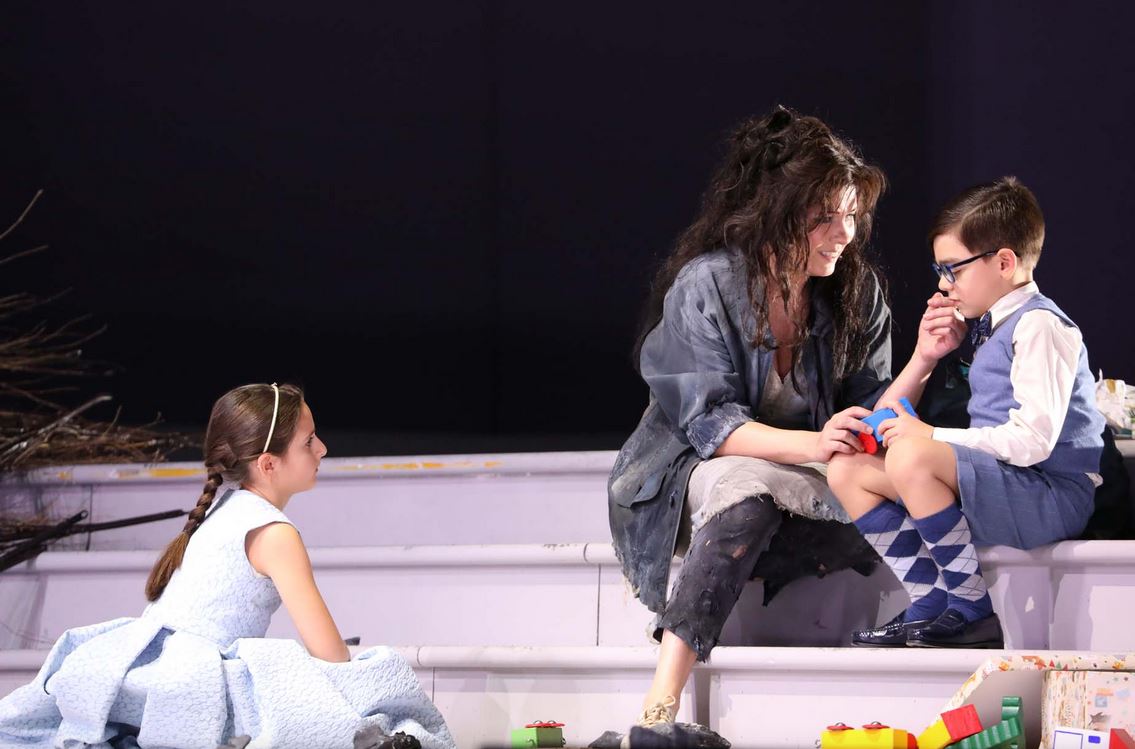
Le scene rappresentano un ambiente familiare (con due bravissimi bambini come figli di Médée e Jason) a sottolineare il dramma della ripudiata Médée scacciata dalla reggia di Créon per lasciare posto alle nozze di Jason con Dircé che però è fin dall’inizio presaga della tragedia che incombe. L’ambientazione domestica a contrasto del dramma di Médée come madre è resa ancora più evidente dal rifiuto dei piccoli al cambiamento in atto. Ed è stata scelta oculata la traslazione del dialogo fra i bambini prevista nell’originale (in una voce impersonale fuori campo. L’intero impianto scenico funziona a perfezione con il coro rappresentato dai partecipanti al rito nuziale che assistono impotenti se non disinteressati al dramma in atto.
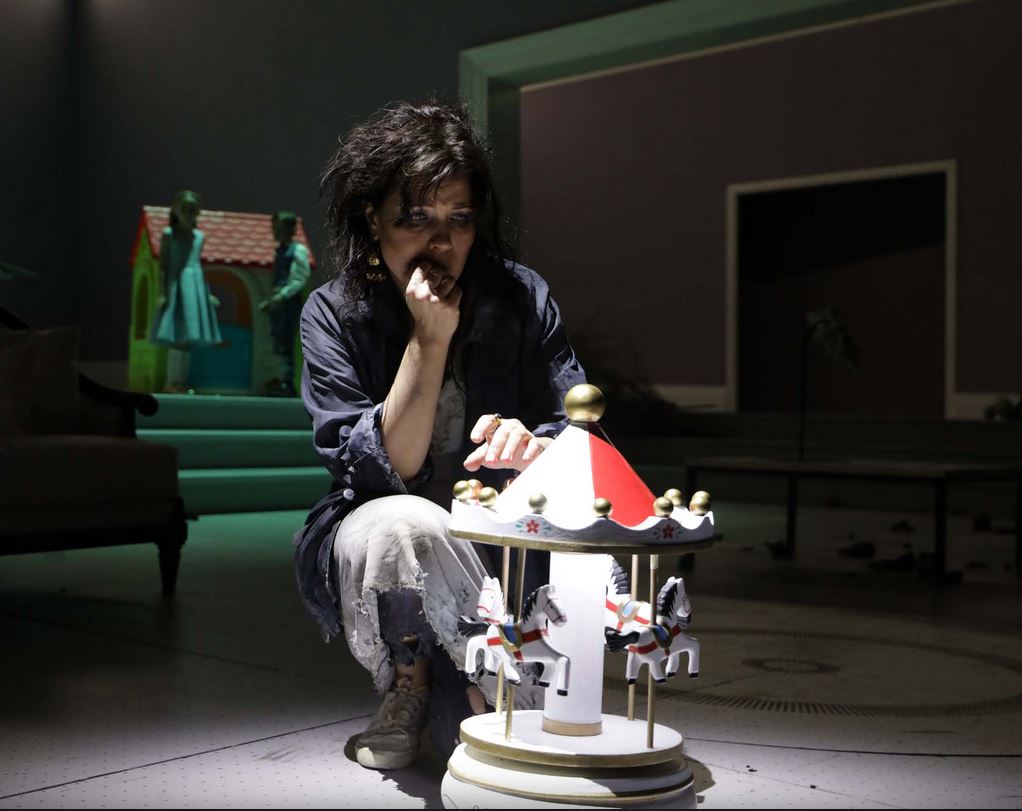
E una scelta registica ancora azzeccata è stata quella di mostrare la scena dell’infanticidio di Médée con un filmato in bianco e nero, straniante e come episodio meritevole di una impostazione a parte. Penso che Michieletto in materia si sia ricordato dell’orribile infanticidio di Magda Goebbels dei suoi 5 figli nel bunker hitleriano prima della sua fine da parte del marito (poi a sua volta suicida). La contrapposizione fra una realtà familiare di tutta normalità con un dramma umano (e femminile) ottiene la giusta sottolineatura.
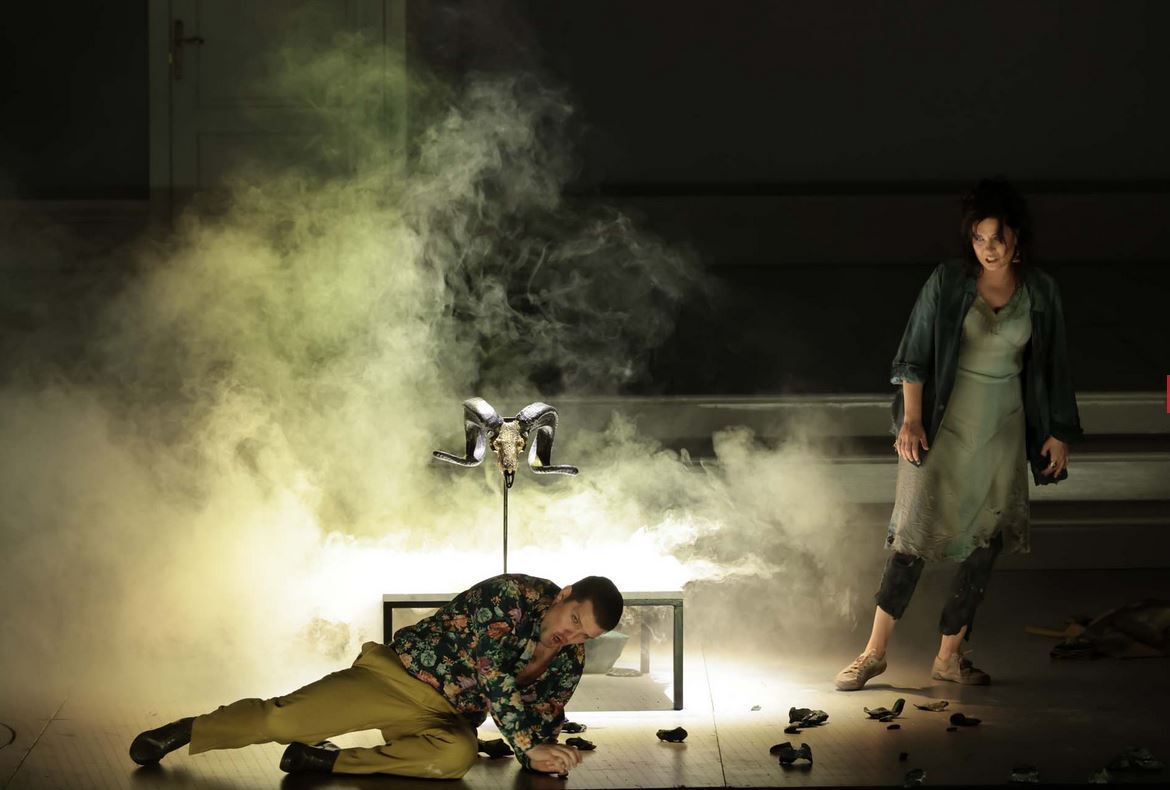
Ma tutto lo spettacolo funziona a partire dalla direzione di Michele Gamba che fin dall’ouverture imprime all’orchestra (che l’asseconda perfettamente – ah la scala!) un’impostazione drammatica e trascinante senza mancare però di seguire i momenti più lirici (ad esempio nel brano di Néris nel secondo atto). Una Néris (Ambroisine Bré) bravissima nel suo attaccamento e simpateticità con Médée (l’opera giustamente è stata rappresentata in lingua originale – mediti il teatro comunale di Bologna con le sue sciagurate traduzioni…). Una Médée rappresentata nel primo atto da una Marina Rebeka dolente e nel secondo e nel terzo dalla sua sostituta, ma entrambe totalmente all’altezza del personaggio, con voci drammatiche e dolenti mai fuori tono. Anche Jason (Stanislas de Barbeyrac) ha sostenuto con autorevolezza il suo personaggio e una specifica nota di merito va alla venticinquenne Martina Russomanno come Dircé, una voce giustamente giovane ma capace di esprimere le perplessità e l’angoscia per un matrimonio destinato a trasformarsi in tragedia. L’unico personaggio non all’altezza è stato il Créon di Nahuel Di Pierro con una prestazione piuttosto scialba e una voce incapace di esprimere tutta la violenza insita nel ruolo. Grande e meritato successo di pubblico.
| Direttore | MICHELE GAMBA |
| Regia | DAMIANO MICHIELETTO |
| Scene | PAOLO FANTIN |
| Costumi | CARLA TETI |
| Luci | ALESSANDRO CARLETTI |
| Drammaturgia | MATTIA PALMA |
Cast
| Médée | Marina Rebeka |
| Jason | Stanislas de Barbeyrac |
| Créon | Nahuel Di Pierro |
| Dircé | Martina Russomanno |
| Néris | Ambroisine Bré |
| Confidantes de Dircé | Greta Doveri, Mara Gaudenzi |
PS Sono costretto ancora una volta a segnalare che commenti “anonimi” e non inviati ai “commenti” dei posts sono immediatamente cassati
(Giovanni Neri 78)

A coloro che leggono il blog chiederei cortesemente la registrazione (che non comporta nulla). Così facendo riceveranno un e-mail tutte le volte che un nuovo post è pubblicato.
PS Un “blogger” non è un oracolo e commette inevitabilmente errori (il minimo possibile..). Ricevo spesso “correzioni” non sempre fondamentali e non sempre precise. Così come io mi sottopongo al giudizio altrui con nome e cognome così chi vorrà avere la bontà di segnalarmi eventuali errori o imprecisioni dovrà farlo unicamente mandando un commento: a ognuno la propria responsabilità. In base alla nuova normativa chi si fosse iscritto e desidera de-iscriversi è sufficiente che mi invii un messaggio e-mail..
————————————————————————————————————————————————————————
I’ve never been a fan (to use a euphemism) of Damiano Michieletto’s often bizarre and stupidly provocative staging, but this Médeée contrasts this stance with the opera transposed into modern times, fully grasping and emphasizing the meaning of the work. A lyric of the libretto that is not exceptional, often repetitive that only a music of great quality is able to redeem. Médée inevitably means Callas, and the current performance did not make us regret that edition (which can be found on Youtube) even though it was plagued by the defaillance of Marina Rebecka who had to succumb, after the first act, to an imperfect physical condition. But the substitute was able to hold the part perfectly, collecting – rightly – an open stage applause and a final ovation not plagued by the usual unbearable clcques. The scenes depict a family environment (with two very good children as the sons of Médée and Jason) to underline the drama of the repudiated Médée driven out of the palace of Créon to make way for Jason’s wedding to Dircé who, however, is from the very beginning a harbinger of the impending tragedy. The domestic setting, in contrast to the drama of Médée as a mother, is made even more evident by the children’s rejection of the change taking place. And the translation of the dialogue between the children provided in an impersonal voice-over was carefully chosen. The entire stage system works perfectly with the chorus represented by the participants in the wedding rite who watch helplessly if not disinterested the drama in progress. And another choice that was still apt was to show the scene of Médée’s infanticide with a black and white film, alienating and as an episode worthy of a separate setting. I think that Michieletto remembered the horrible infanticide of Magda Goebbels of her 5 children in Hitler’s bunker before her death by her husband (who later committed suicide). The juxtaposition between a completely normal family reality and a human (and female) drama gets the right emphasis.But the whole performance works, starting with the direction of Michele Gamba, who from the overture gives the orchestra (which supports him perfectly) a dramatic and enthralling setting, without failing, however, to follow the most lyrical moments (for example in the aria by Néris in the second act). A Néris (Ambroisine Bré) who is very good in her attachment and sympathy with Médée (the opera was rightly performed in the original language). A Médée represented in the first act by an ill Marina Rebeka and in the second and third by her replacement, but both totally up to the character, with dramatic and sorrowful voices that are never out of tune. Jason (Stanislas de Barbeyrac) has also authoritatively supported his character and a specific note of merit goes to twenty-five-year-old Martina Russomanno as Dircé, a rightly young voice but capable of expressing the perplexity and anguish of a marriage destined to turn into tragedy. The only character who was not up to par was Nahuel Di Pierro’s Créon with a rather lackluster performance and a voice unable to express all the violence inherent in the role. Great and well-deserved success with the public.
PS I would kindly ask the readers of this blog to register (which implies nothing) which can be easily made by “clicking” the black square above each post. By so doing they will receive an e-mail message whenever a new post is published.
PS A “blogger” is not an oracle and inevitably makes errors (the minimum possible..). I often receive “corrections” not always fundamental and not always accurate. Just as I submit myself to the judgement of others with the name and surname so those who want to have the goodness to report errors or inaccuracies will have to do so only by sending a comment: everyone has his own responsibility.

Per un elenco aggiornato di tutti i precedenti posts di questo blog con i corrispondenti links

Leggete anche i commenti ai posts selezionando il bottone “commenti” sulla sinistra del post. Talvolta sono persino più interessanti del post stesso!!!
PS Vorrei ringraziare tutti coloro che inseriscono commenti ai posts utilizzando l’opzione “Lascia un commento” (o “commenti” se ne sono già stati inseriti) prevista nella sezione sinistra (o prima del testo per schermi ridotti come i tablets) dei posts stessi affinchè tutti possano leggerli. Il dibattito è sempre interessante per tutti…..grazie (è indispensabile lasciare nome e cognome – i commenti anonimi non saranno pubblicati)!!

 Kurvenal: le recensioni musicali