
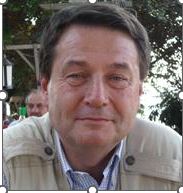
Born Bologna, 9th December 1945
Classical High School, (Liceo Classico), final exams in 1964 full marks
Graduated in piano from the G.B.Martini Conservatorium in 1965 (10/10)
Graduated with 100/100 (hons) from The University of Bologna in Electronic Engineering (1969)
Full professor of electronic computers until 2020 now retired
Interests
- History (in particular XVI and XX centuries)
- Literature
- Art (classical music mostly – I attend almost all performances in Bologna and nearby cities and in particular La Scala in Milan). I also practise piano whenever possible and I play the cello. I have no favourite composers.
- Skiing
- Mountain climbing( mostly accompanied by my wife Cristina) – Hiking in the mountains
- Travelling. I love traveling. I have extensively visited Asia, US and Middle East. My favourite countries are: Israel (where I have very close friends – here I am with my friend Sue) ,
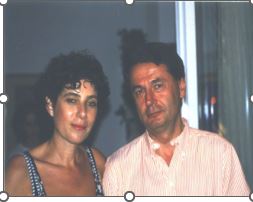
- Burma, Cambodia (magnificent temples) and India.
- My wife Cristina and my old beloved dog Strauss (Richard) – now dead
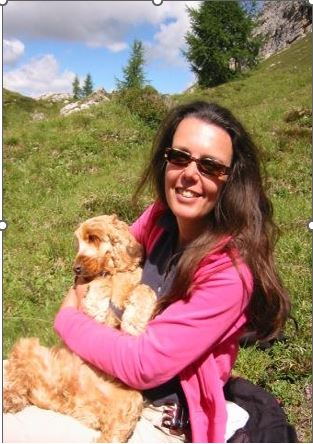
- This is my new young dog Matisse (the painter not the aristocat….)
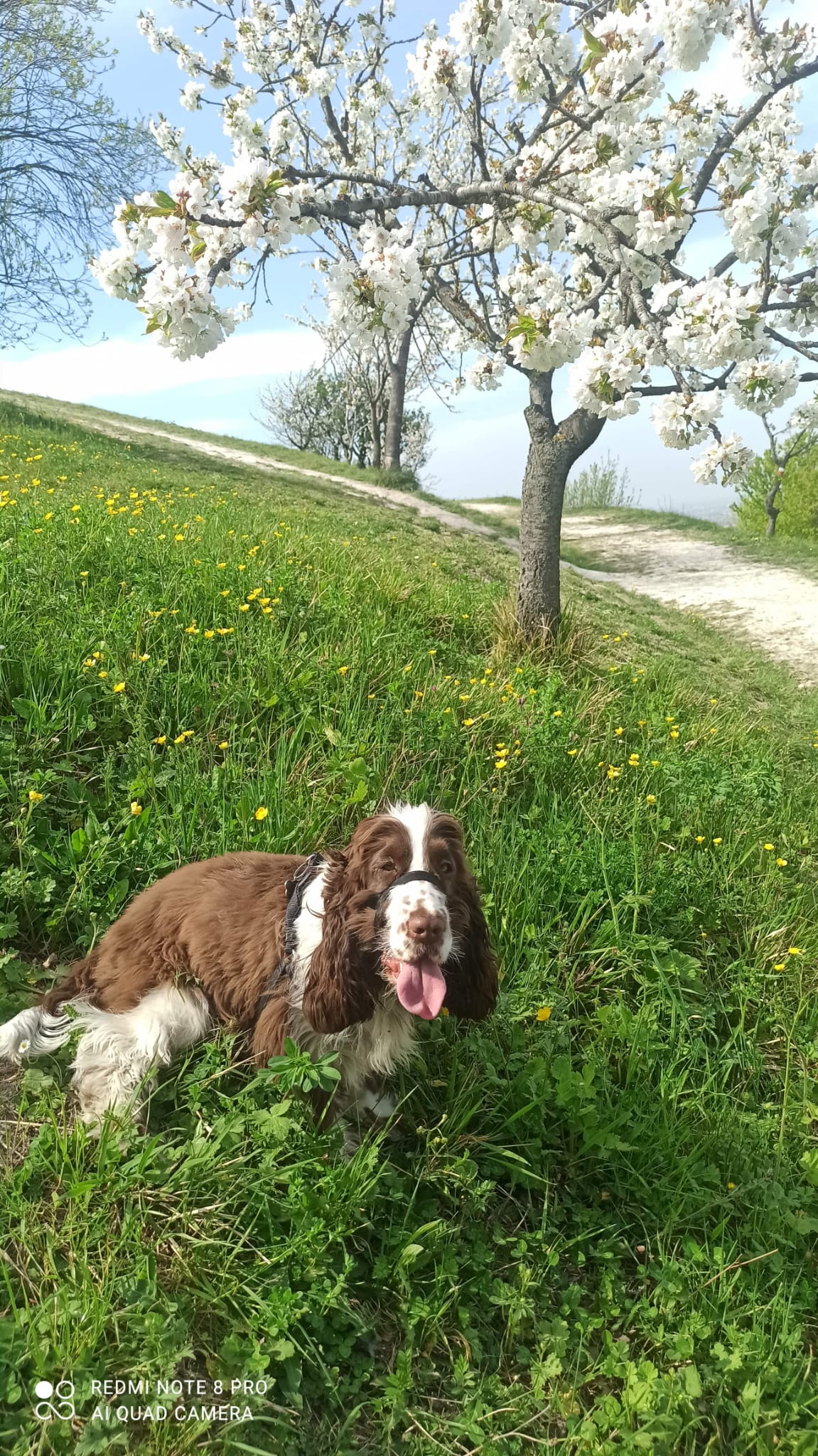
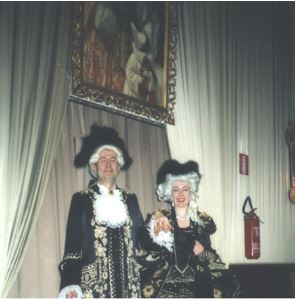
- Fun. Here is a photo of mine as Casanova with my friend Jennifer from London at Venice Carnival
- I speak fluently English, French and German. My biggest cultural regret is to have stopped practising old greek language which I loved when I was young. But I still can translate it. I took also sanskrit and modern hebrew
- Since 2013 I have a music blog https://kurvenal.wordpress.com with 935 posts (as of the 25th May 2023) now with 450 followers
My preferred poems
Catullus
| Si qua recordanti benefacta priora voluptas est homini, cum se cogitat esse pium, nec sanctam violasse fidem, nec foedere in ullo divum ad fallendos numine abusum homines, multa parata manent in longa aetate, Catulle, ex hoc ingrato gaudia amore tibi. Nam quaecumque homines bene cuiquam aut dicere possunt aut facere, haec a te dictaque factaque sunt; omnia quae ingratae perierunt credita menti. Quare cur tu te iam amplius excrucies? quin tu animum offirmas atque istinc teque reducis et dis invitis desinis esse miser? Difficilest longum subito deponere amorem. Difficilest, verum hoc qualubet efficias. Una salus haec est, hoc est tibi pervicendum: hoc facias, sive id non pote sive pote. O di, si vestrumst misereri, aut si quibus umquam extremam iam ipsa in morte tulistis opem, me miserum aspicite et, si vita puriter egi, eripite hanc pestem perniciemque mihi. Heu, mihi surrepens imos ut torpor in artus expulit ex omni pectore laetitias ! Non iam illus quaero, contra me ut diligat illa aut, quod non potis est, esse pudica velit: ipsa valere opto et taetrum hunc deponere morbum o di, reddite mi hoc pro pietate mea | If there is any pleasure to a man remembering previous good deeds, when he thinks himself to be pius, and has not violated a sacred faith, nor in any pact has he abused the power of the Gods for the deceiving of men then, Catullus, in the long years ahead many joys obtained from this unappreciated love remain for you For whatever people are able to say well or make well whenever these things have been said and done by you all of which things were lost having been entrusted to an ungrateful mind Therefore now why do you torture yourself further? Why don’t you in mind be firm and from there you yourself draw back and the Gods unwillingly step down miserable? It is difficult to put aside long love suddenly It is difficult, let you bring it about in any way possible this is ones hope, this must be accomplished by you let you do this, if not able or if able Oh Gods, if it is characteristic of you to have pity, or if to any now you brought final help in death itself and observe me miserably, if I lead life purely remove this disease and destruction from me which creeping into my deepest limbs as a numbness drove out all happiness from my heart Now do not look for the following, as she loves me in return but because it is not possible to cover honour I myself wish to be strong and lay down this disease Oh gods give this to me for my devotion (Translation by Chal) | |
| Horatius | ||
| Tu ne quaesieris (scire nefas) quem mihi quem tibi finem di dederint, Leuconoe, nec Babylonios temptaris numeros. Ut melius quidquid erit pati, seu pluris hiemes seu tribuit Iuppiter ultimam, quae nunc oppositis debilitat pumicibus mare Tyrrhenum: sapias, vina liques et spatio brevi spem longam reseces. Dum loquimur, fugerit invida aetas: carpe diem quam minimum credula postero. | Ask not – we cannot know – what end the gods have set for you, for me; nor attempt the Babylonian reckonings Leuconoë. How much better to endure whatever comes, whether Jupiter grants us additional winters or whether this is our last, which now wears out the Tuscan Sea upon the barrier of the cliffs! Be wise, strain the wine; and since life is brief, cut back far-reaching hopes! Even while we speak, envious time has passed: Enjoy today, putting as little trust as possible in tomorrow!. | |
| Montale | ||
| Tu non ricordi la casa dei doganieri sul rialzo a strapiombo sulla scogliera: desolata t’attende dalla sera in cui v’entrò lo sciame dei tuoi pensieri e vi sostò irrequieto Libeccio sferza da anni le vecchie mura e il suono del tuo riso non è più lieto:la bussola va impazzita all’avventura e il calcolo dei dadi piu’ non torna. Tu non ricordi; altro tempo frastorna la tua memoria; un filo s’addipana. Ne tengo ancora un capo; ma s’allontana la casa e in cima al tetto la banderuola affumicata gira senza pietà. Ne tengo un capo; ma tu resti sola nè qui respiri nell’oscurità. Oh l’orizzonte in fuga, dove s’accende rara la luce della petroliera! Il varco è qui? (Ripullula il frangente ancora sulla balza che scoscende…) Tu non ricordi la casa di questa mia sera. Ed io non so chi va e chi resta. | You do not remember anymore the custom house on the hill upon the rocks: in sorrow it waits for you since the evening when the wind of our thoughts entered and restless stopped there. For years Libeccio has been blowing the old walls and the sound of your smile is not merry anymore: the compass randomly swings and the throw of dices does not bear sense anymore. You do not remember: another time stuns your memory; a thin thread unravels. I hold one end; but the house vanishes and its smoky weathercock turns restlessly . I hold one end; but you are alone and here you do not breathe in the dark. Oh the vanishing horizon where the dim light of the tank glows ! Is it here the passage ? (the rolling waves blow the steep cliff ….). You do not remember the house of this evening. And I do not know who comes and who stays (Translation by G.Neri) | |
| Shakespeare | ||
| Life’s but a walking shadow: a poor player that struts and frets his hour upon the stage, and then is heard no more: it is a tale told by an idiot, full of sound and fury, signifying nothing. (Macbeth) | . | |
| Verlaine | ||
| Je fais souvent ce rêve étrange et pénétrant D’une femme inconnue, et que j’aime, et qui m’aime, Et qui n’est, chaque fois, ni tout à fait la même Ni tout à fait une autre, et m’aime et me comprend. Car elle me comprend, et mon coeur, transparent Pour elle seule, hélas! cesse d’être un problème Pour elle seule, et les moiteurs de mon front blême, Elle seule les sait rafraîchir, en pleurant. Est-elle brune, blonde ou rousse? — Je l’ignore. Son nom? Je me souviens qu’il est doux et sonore Comme ceux des aimés que la Vie exila. Son regard est pareil au regard des statues, Et pour sa voix, lointaine, et calme, et grave, elle a L’inflexion des voix chères qui se sont tues. | Often I have a strange and deep dream of an unknown woman I love and who loves me who is never the same nor a different one and who loves and understands me Because she understands me and my heart is transparent for her only, and it is not anymore a sorrow for her only, and my pale forehead sweat can be cooled only by her tears Is she dark, blonde or red ? I do not know. her name ? I remember it is sweet and has the sound of our beloved exiled from life. Her look is similar to statues and her voice, far and calm and low has the inflexion of those who took their lives. (Translation by G.Neri) | |
| Aeschylus | ||
| Και μην εργω κουκετι μυθωι χθων σεσαλευται, βρυχια δ’ ηχω παραμυκαται βροντησ, ελικεσ δ’ εκλαμπουσι στεροπησ ζαπυροι, στρομβοι δε κονιν ειλισσουσι, σκιρται δ’ ανεμων πνευματα παντων εισ αλληλα στασιν αντιπνουν αποδεικνυμενα, ξυντεταρακται δ’ αιθηρ ποντωι. Τοιαδ’ επ’ εμοι ριπη Διοθεν τευχουσα φοβον στειχει φανερωσ. Ω μητροσ εμησ σεβασ, ω παντων αιθηρ κοινον φαοσ ειλισσων, εσοραισ μ’ ωσεκδικα πασχω; (ΠΡΟΜΗΤΘΕΩΣ ΔΕΣΜΩΤΗΣ) | Surely indeed, and no more in word, Earth is shaken; And a hoarse sound of thunder Bellows near, and wreaths of lightning Flash out fiercely blazing, and whirlwinds dust Whirl up; and leap the blasts Of all winds, ‘gainst one another Blowing in opposite array; And air with sea is mingled; Such impulse against me from Zeus Producing fear, cloth plainly come. O revered Mother, O Ether Revolving common light to all, You see me, how unjust things I endure! (Prometheus Bound) (Translation by Henry D. Thoreau) | |
| Wolfgang Ghoethe | ||
| Kennst du das Land, wo die Citronen blühn, Im dunklen Laub die Gold-Orangen glühn, Ein sanfter Wind vom blauen Himmel weht, Die Myrte still und hoch der Lorbeer steht, Kennst du es wohl? Dahin! Dahin Möcht’ ich mit dir, o mein Geliebter, ziehn. Kennst du das Haus? Auf Säulen ruht sein Dach, Es glänzt der Saal, es schimmert das Gemach, Und Marmorbilder stehn und sehn mich an: Was hat man dir, du armes Kind, getan? Kennst du es wohl? Dahin! Dahin Möcht’ ich mit dir, o mein Beschützer, ziehn! Kennst du den Berg und seinen Wolkensteg? Das Maultier sucht im Nebel seinen Weg; In Höhlen wohnt der Drachen alte Brut; Es stürzt der Fels und über ihn die Flut, Kennst du ihn wohl? Dahin! Dahin Geht unser Weg; o Vater, laß uns ziehn! | Do you know the land where the lemon-trees grow, amid dark leaves golden-oranges glow, a soft wind blows from the blue sky, the myrtle stands still, and the bay-tree high? Do you know it, maybe ? It is there where I would go with you, my beloved one! Do you know the house? Its roof rests on pillars the hall glitters, the hallway gleams, and figures of marble look at me? What have they done to you , my poor child? Do you know it maybe? It is there Where I would go with you, my protector! Do you the mountain and its path in the clouds ? The mule picks its way amid the mist, the ancient brood of the dragons lie in caves, the cliffs fall and sink in the waves; Do you know it maybe? It is there where our way leads! Father, let’s leave! (Translation by G.Neri | |
 Kurvenal: le recensioni musicali